Adding a Garage Accessory Dwelling Unit (Garage ADU) to your property offers more than just extra space. It’s a smart investment with both immediate and long-term benefits
Increased Property Value
One of the biggest advantages of building a garage ADU is the significant boost it brings to your property’s value. Homes with a legal, permitted garage ADU often sell for far more than those without. This increase comes from the added function and flexibility the garage ADU provides. Whether buyers are looking for a space for family, rental income, or simply extra room, a well-designed garage ADU is a major selling point. For homeowners and investors alike, this added value turns your garage ADU into a smart long-term financial strategy.
A Source of Reliable Rental Income
A garage ADU unlocks new income opportunities. Many homeowners rent out their unit for long-term tenants, generating steady passive income to help cover mortgage payments, taxes, or other expenses. In some cities, short-term rentals through platforms like Airbnb are also allowed, offering the potential for even higher returns—especially in high-demand areas. Whether you prefer stable monthly rent or seasonal flexibility, a garage ADU offers valuable financial potential without ever leaving your property.
Designed for Multigenerational Living
More families today are choosing multigenerational living, and a garage ADU is the perfect solution. It allows aging parents to stay close while maintaining privacy and independence. Adult children can live in a separate but connected space, easing their transition into independence. Even extended family or visiting relatives will appreciate the comfort of a private unit. A garage ADU supports strong family bonds while still honoring personal space.
Cost-Effective Alternative to New Construction
Converting a garage into an ADU is one of the most budget-friendly ways to add livable space. Unlike new construction that requires a full foundation, framing, and roofing, a garage already has many of those elements. That significantly reduces both the cost and the build time. With fewer permits, minimal demolition, and less site work required, a garage ADU lets you enjoy all the benefits of an additional unit—faster and for less money.
Flexible and Adaptable for the Future
One of the greatest strengths of a garage ADU is its flexibility. As your needs change, the space can evolve with you. It might begin as a home office, later become a guesthouse, then transition into a rental, or eventually serve as housing for a family member. It can even be transformed into a personal gym, art studio, or peaceful retreat. A garage ADU is a lasting asset that adapts to your lifestyle—not the other way around.
Garage ADU Convesion Core Elements
Optional Considerations for Your Garage ADU Conversion
There are a few optional items that you may want to consider for your own benefit, based on our experience in Garage ADU conversions.
- Concrete Floor Cutting
One of the most critical parts of a Garage ADU conversion is cutting the concrete garage floor using a professional cutting machine. This step is essential for installing sewer and electrical lines beneath the concrete. A typical jackhammer is not suitable for making clean, straight cuts or achieving a smooth, even surface after the concrete is re-poured. Professional equipment ensures both precision and durability. - Electrical Subpanel
In most cases, a Garage ADU requires a dedicated electrical subpanel with a minimum capacity of 100 amps. If your existing main electrical panel is outdated or lacks sufficient amperage, you will need to upgrade it to meet current codes and handle the increased electrical load. - Landing Pads and Foundation Adjustments
Garage floors are usually at surface level, while the foundation is typically 6 inches above ground. To address this elevation difference, landing pads may need to be installed inside and/or outside the garage, especially if the main entrance will be at the roll-up door or side of the garage. A minimum 4-inch exterior pad is sufficient when placing the entrance at a location with a 1″ door sill. An interior landing pad, typically 5 to 6 inches in height and made of wood, is recommended to safely transition from the door to the interior floor level. - Water Heater Considerations
If the water supply is located far from the garage or the existing water heater does not have sufficient capacity, you may consider installing a tankless electric water heater. This can provide consistent hot water without compromising the needs of the main house or the new ADU. - HVAC System
Wall-mounted air conditioners or rerouting existing HVAC ducts are not recommended. A properly functioning HVAC system is critical for comfortable living year-round. Since property owners invest significantly in their Garage ADUs, heating and cooling should not be compromised. We recommend a mini-split system, which is a cost-effective and energy-efficient solution that delivers reliable heating and cooling. - Kitchen and Bathroom Size
Some homeowners prefer to minimize kitchen and bathroom space to allow for larger bedrooms or living areas. While understandable, we recommend including a full kitchen and bathroom—even in a compact Garage ADU. These features not only enhance daily comfort and usability but also make the space feel completer and more livable. - Interior Paint Colors
In small spaces like Garage ADUs, paint color can make a significant difference. Most homes use a single tone close to white, but in small areas, thoughtful color combinations can greatly improve the atmosphere. We recommend using three to five colors, with distinct choices for the kitchen, bathroom, main bedroom, walls, and ceiling. Just like makeup enhances features, varied colors can add depth, warmth, and personality to your space.
These items are not mandatory or part of any strict building code, but based on our experience, considering them will bring practical and aesthetic value to your project, and they are unlikely to be wasted efforts.
Building an Garage ADU is not simply about erecting a structure. It’s about creating a valuable space where your loved ones will live. Therefore, it should be approached with the same principles and care as constructing a full residential home. Most importantly, the following three elements must be considered with close attention:
- Safe Structural Design
The most critical aspect is structural stability. This starts with a solid foundation (footing & foundation), and continues with precise and high-quality framing work. These two stages are the most essential parts of the build. Afterward, during the finish stage, it’s important to achieve both functionality and aesthetics in the construction.
- Practicality and Cost Efficiency
ADUs were originally introduced as a solution to housing shortages. That’s why practical, budget-conscious designs are more important than overly complex or costly ones. A smart layout that maximizes functionality and flow—even in a small space—can provide both an expanded living area and increased property value.
- Beautiful Design
Although it may seem abstract, aesthetic quality matters. Instead of using a single paint color, choosing 4 to 5 complementary tones can create a more refined appearance. Proper window size and placement, modern kitchen and bathroom design, and careful selection of fixtures like lighting and faucets can all contribute to a vastly more pleasant atmosphere without additional cost.
Choosing How and With Whom to Build Your Garage ADU
Choosing the right contractor is just as important as the construction itself. It’s recommended to get estimates from 3–4 companies for comparison. Requesting too many quotes can cause confusion and shows a lack of respect for the time contractors put into creating proposals. However, if you are paying a nominal fee for estimates, you may request as many as you wish.
Next, it’s essential to consult with a skilled architect who can prepare a design that reflects your vision. Depending on the project, structural drawings and load calculations may be required. Title 24 energy calculations are always required under California’s energy regulations.
Once the plans are completed, they are submitted to the city or county for permit approval. Typically, the architect will handle this process. The Planning Department conducts an initial review, followed by a more in-depth Building and Safety Department review, focusing on structural integrity. It’s common for the city to request corrections or revisions during this process, so it’s crucial to clearly agree in advance on whether additional fees will apply for changes.
Budgeting Is Key to Success
Though ADU construction may not be technically difficult, it cannot succeed without thorough financial planning. A consistent cash flow is essential from permitting all the way through to the final finish. If funds run short at any point, the project may face serious delays or even complete shutdown.
Estimated Timelines
There are many variables—home structure, local city processes, available labor—but approximate timeframes are as follows:
- Garage ADU Plans: Around 2 weeks
- Structural Plans and Calculation: Around 10 days
- Permit Review: 1.5 to 3 months once submitted
Once construction begins, the project typically involves around 30 major steps, which can be categorized into three stages:
- Foundation Work (~2 weeks)
- Framing (~2 weeks)
- Wall Systems and Finishes (~2 weeks)
In total, garage ADU construction typically takes 1 and half month plus 6 to 8 days of inspections.
The entire process includes:
- Electrical, plumbing, HVAC installations
- Insulation, kitchen and bathroom setup
- Lighting, drywall, texture, doors and windows
- Stucco, siding, and inspections
Building a Home Is Like Going to War
Building a home is like entering a major battle. Once all construction operations are in motion, there can be no relaxation. Just as military logistics are critical in battle, all materials must be ordered in advance to avoid delays. Therefore, starting a project is not instant, but it requires time for material takeoffs, skilled labor scheduling, and preparation. Give your builder sufficient time before starting to ensure the job is executed smoothly.
What to Watch Out For in ADU Construction
Construction comes with risk. Choosing a contractor based on very low pricing can lead to cutting corners, especially on labor costs, as material prices are fixed. This often results in project delays, low quality, and dissatisfaction for all parties involved homeowners, workers, and the builder.
Another key point: All subcontractors and laborers must be covered by workers’ compensation insurance. If an accident occurs and coverage is lacking, the homeowner could be held liable.
If a garage ADU is built without a legal permit, you may not receive insurance compensation in the event of fire or damage. When selling the home, you may be forced to tear it down or re-permit it. It also adds no value to your property. So even if it costs a bit more, always follow legal procedures when expanding your home.
ADUPRO’s Core Principle
The final quality of a construction project depends on the builder’s aesthetic standards and professional attitude. Skilled builders lead to better results, but true quality is never the product of one person alone. It requires a team of experienced workers who share the same goals and a management system rooted in accountability.
Good, honest people build good homes. Behind every successful project is a dedicated team. That’s why ADUPRO treats all workers with dignity and fairness regardless of their background and pays them just, generous wages. This simple principle is the most effective way to ensure high quality, reduce risk, and deliver excellent results.
If a contractor offers unreasonably low pricing, it usually means frontline workers aren’t getting paid fairly. This leads to poor work quality, delays, and disputes. In the end, owners who focus only on price may find themselves paying much more.
ADUPRO is committed to delivering outstanding garage ADUs at fair and reasonable prices by working with a respected and skilled team.
Prototype Plans
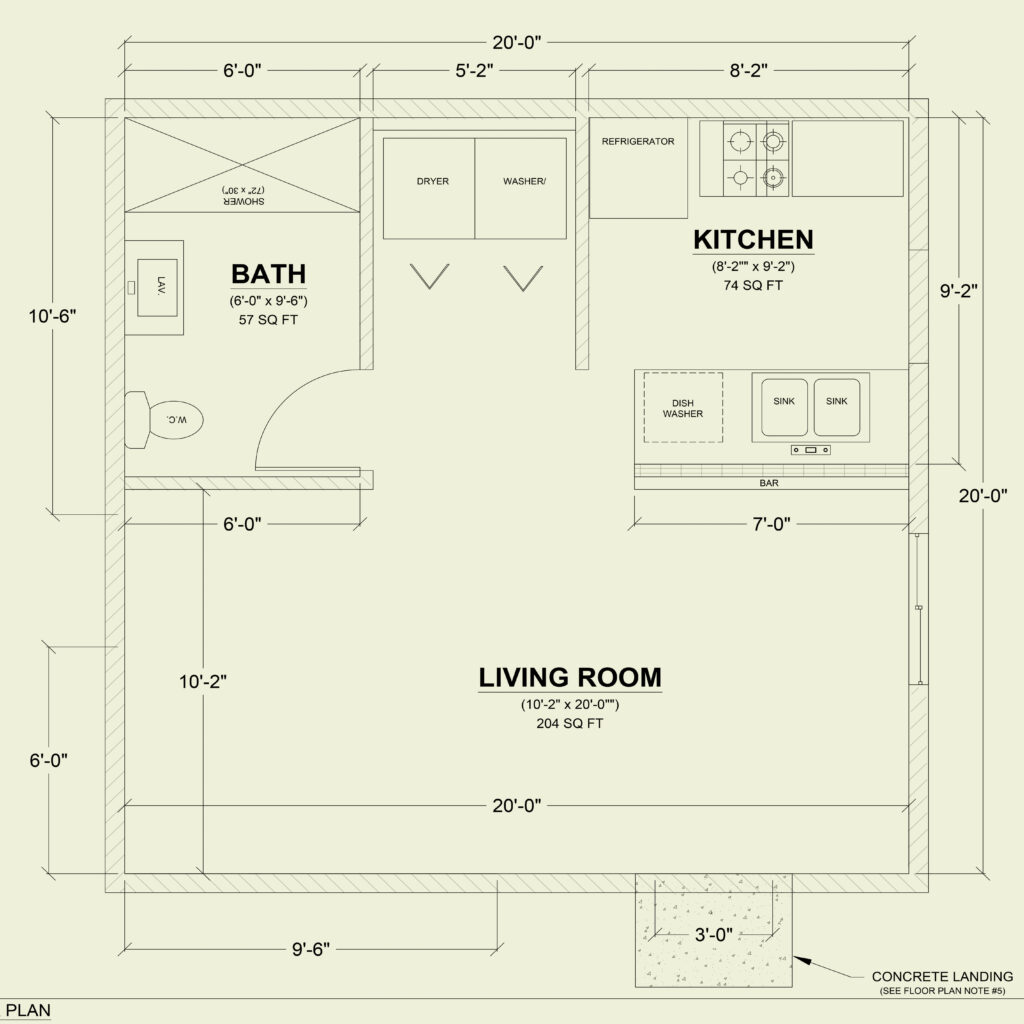
Garage ADUs are typically built within limited spaces, generally ranging from 400 to 700 square feet. Because of these size constraints, not every layout or feature a property owner envisions may be achievable. However, there are many creative and practical ways to meet both functional needs and aesthetic goals. The sample plans provided can help inspire ideas and guide you as you plan your own garage ADU project.
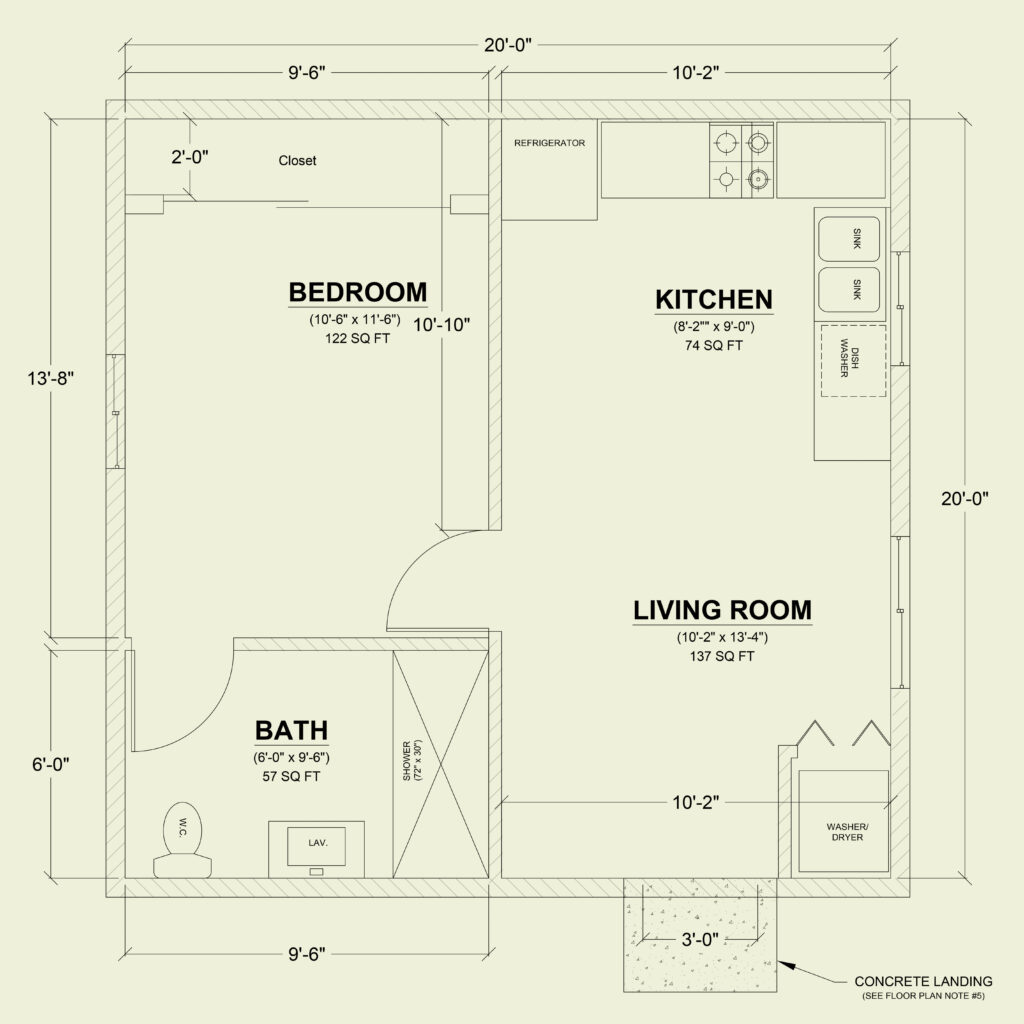
400 SQ FT One Bed
400 SQ FT Studio
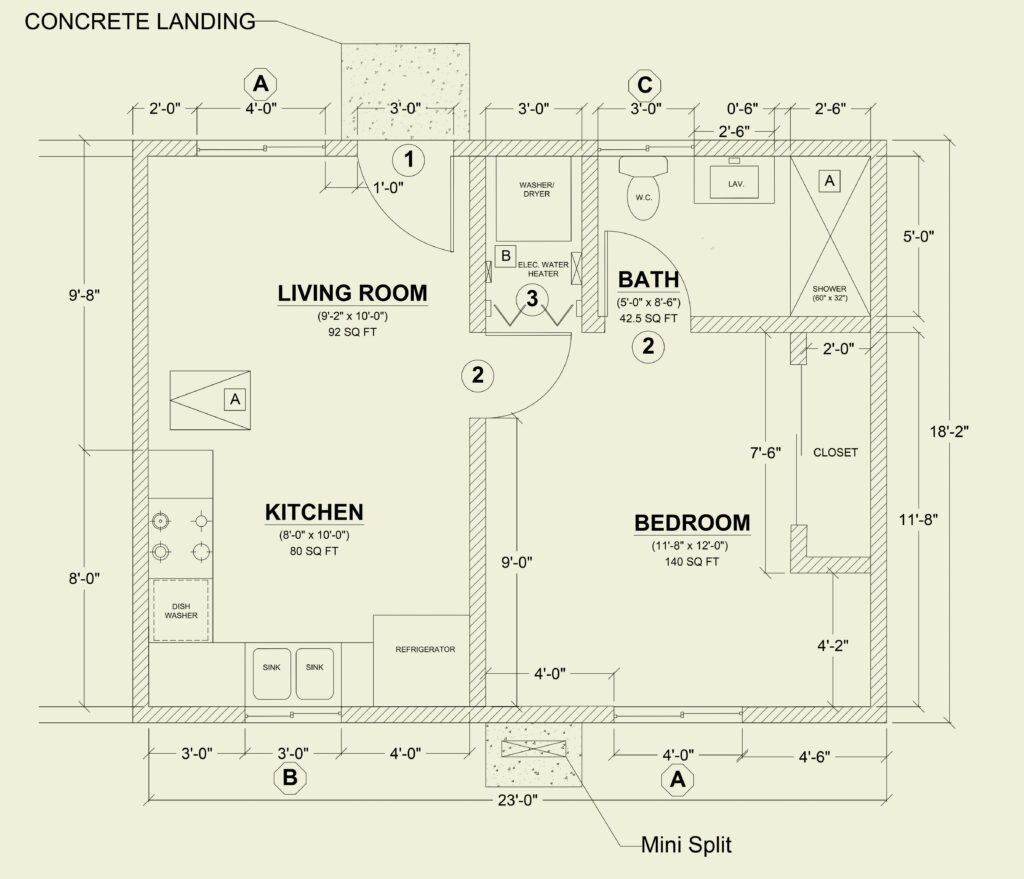
600 SQ FT One Bed
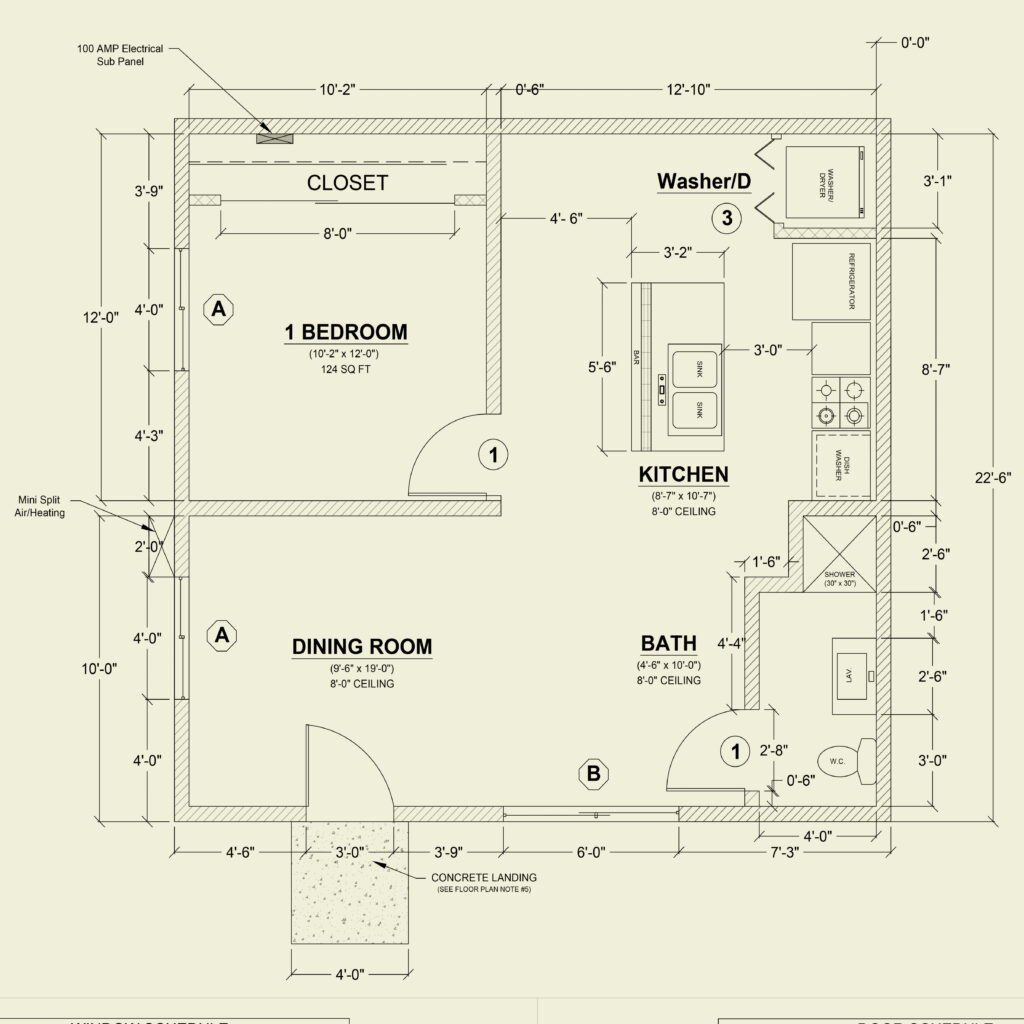
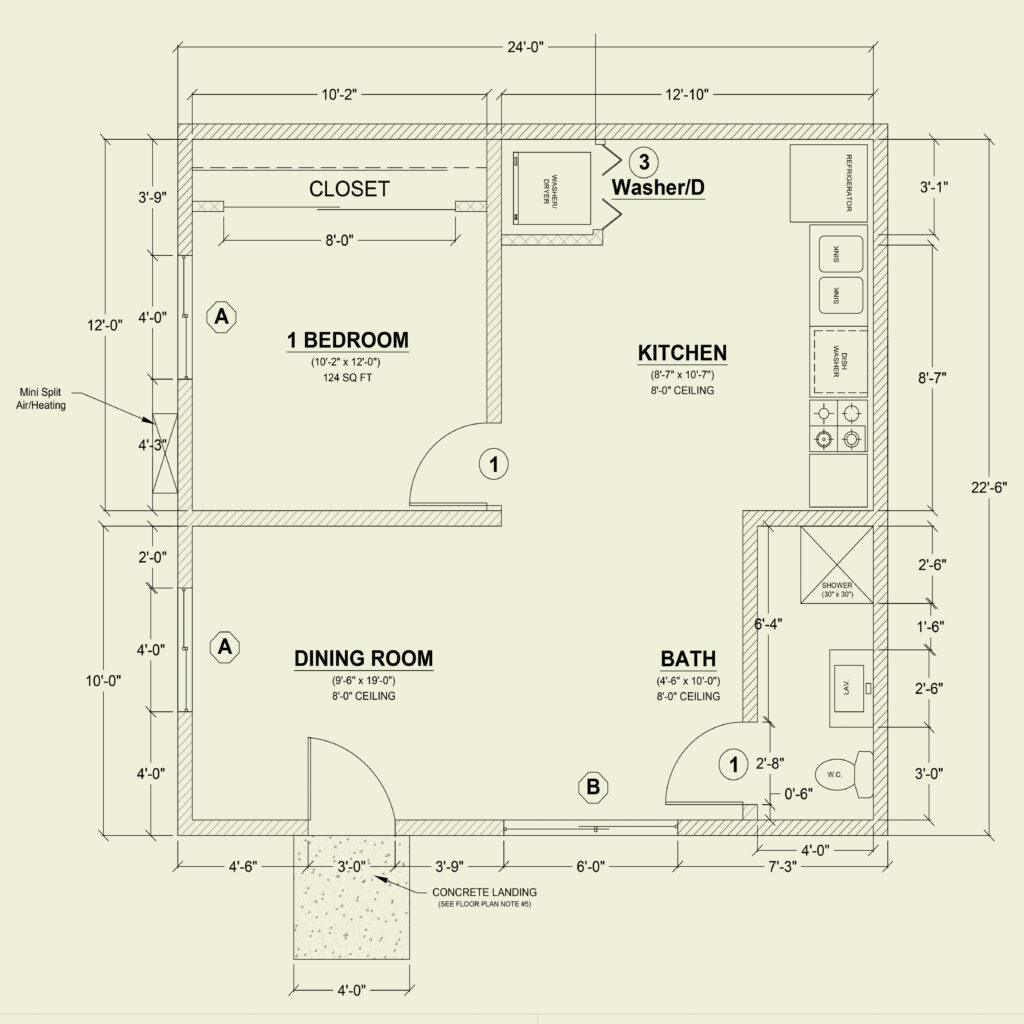
540 SQ FT Kitchen Island
540 SQ FT One Bed
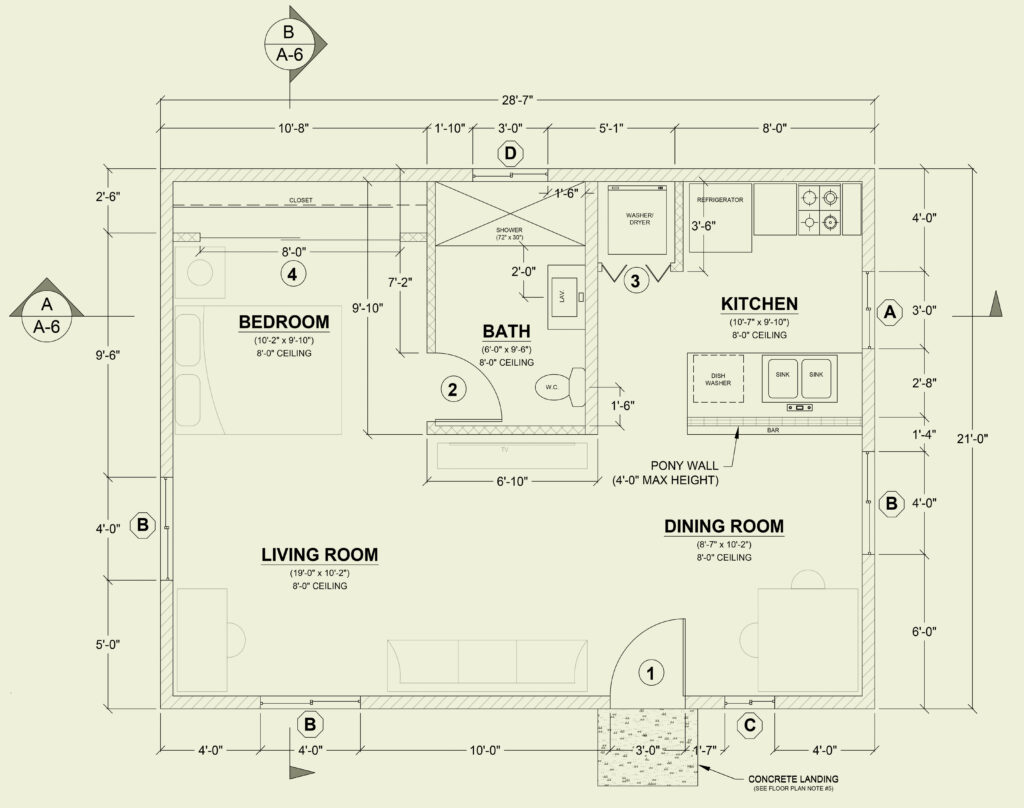
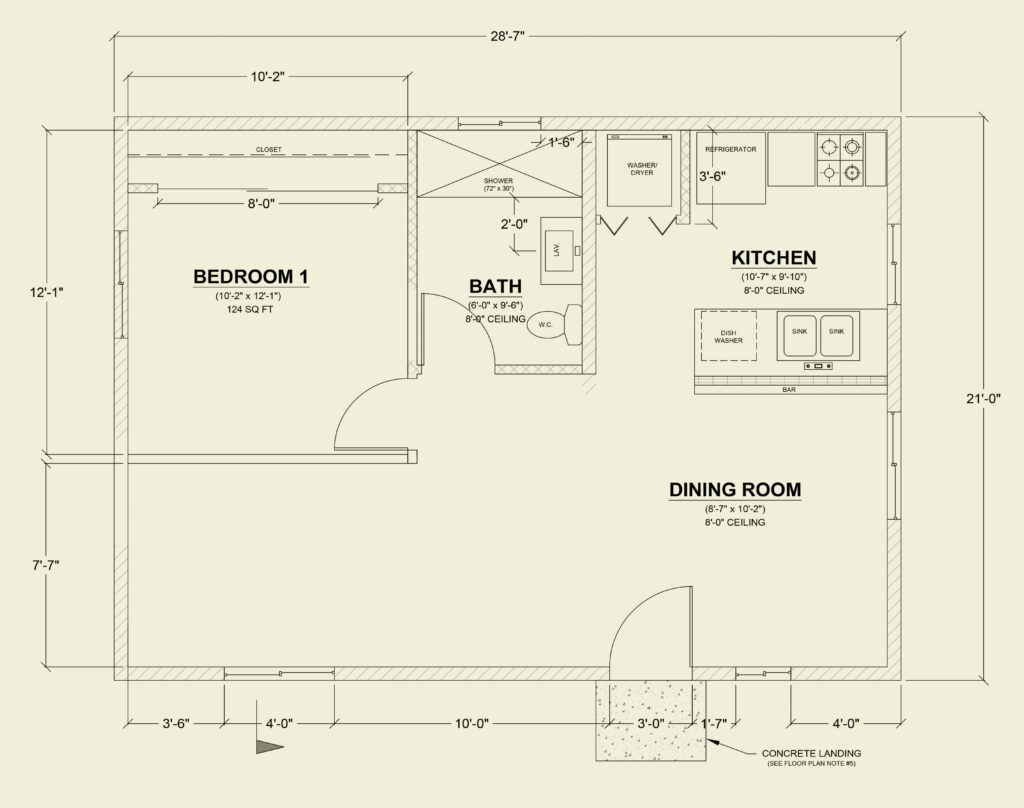
600 SQ FT Studio
600 SQ FT One Bed
Different Levels of Garage ADU Conversion
| Preferred Level ADU Conversion | Premium Level ADU Conversion |
| Plan ready, faster than normal in 4 weeks | expedited plans in 2 weeks |
| Standard permit process | expedited permit process |
| Studio/one bed | one bed |
| Standard structural modification | More complex structural modification |
| 1/2″ drywall finish | 5/8” drywall finish |
| Standard bathroom up to 7′- 6″ | up to 9’- 6” bathroom |
| Standard mini split/ reroute | Air/Heater full capacity mini split |
| Regular kitchen sink | apron sink |
| No island or breakfast bar | breakfast bar per size availability |
| Standard size kitchen | full kitchen |
| washer/dryer space | washer/dryer space |
| quartz countertop | quartz countertop |
| Standard shower door | premium shower door |
| Commercial grade paint | Behr paint |
| all recessed lights | all recessed lights |
| 30” stainless hood | 30” stainless hood |
| 36 by 36 shower | 36 by 36 shower |
| waterproof engineer wood floor | waterproof engineer wood floor |
| 6’ base molding | 6’ base molding |
| all solid wood premium kitchen cabinet | all solid wood premium kitchen cabinet |
| 2,500 PSI concrete for foundation. | 3,000 PSI concrete for foundation. |
| Tend to be used grade B lumber | Tend to be used grade A lumber |
General Drawing Cost Estimates
- Architectural Plans: $9 – $12 per sq ft
(For a 500 sq ft garage ADU: approx. $6,000 – $9,000) - Structural Plans: $3,000 – $6,000
- Extra charges may apply for corrections or admin work
- Title 24 Energy Calculation and Plan: $250 – $500
If You Use ADUPRO
- Architectural Plans: $2,999 until the permit is approved
- Structural Plans: around $1,500 up to 750 square feet
- Title 24 Energy Calculation and Plan: $250 to $500
- No additional charges
Please Call for More Details
Ken Lee 951-415-3705